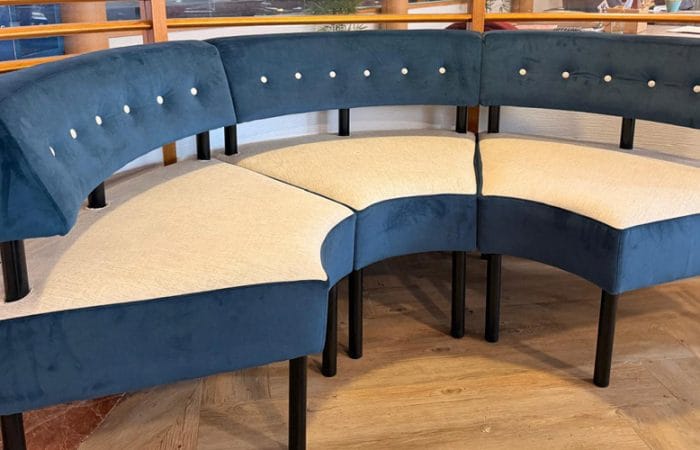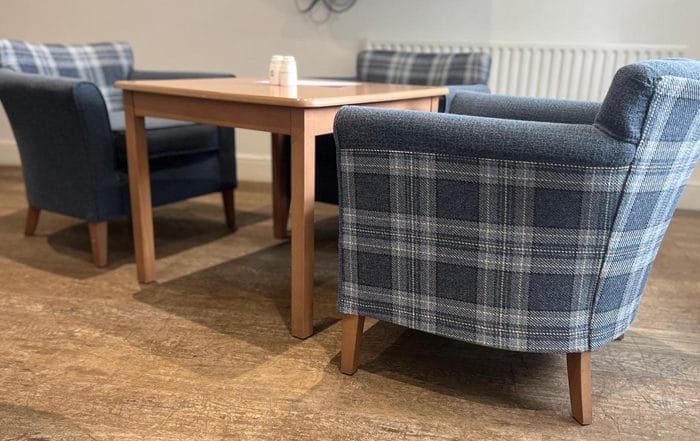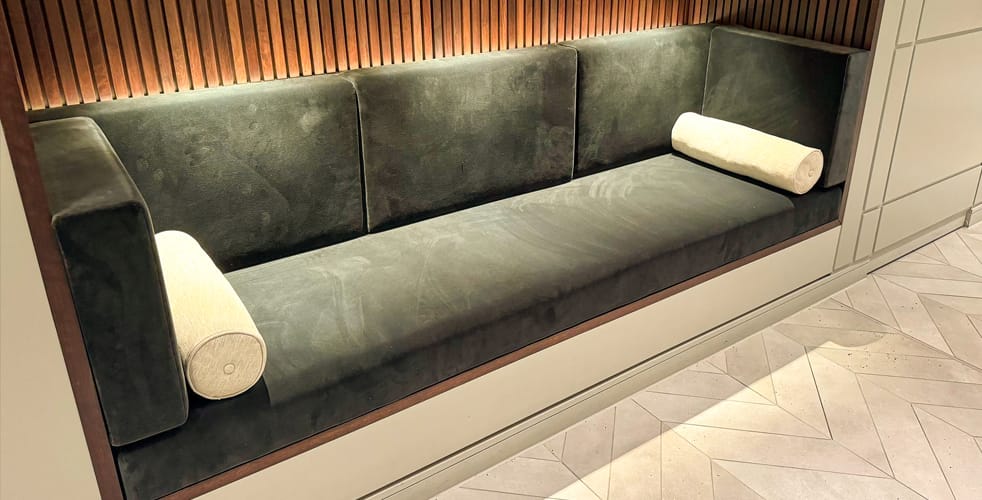


In luxury hotels and high-end residential developments, quality is judged in the details. Guests and residents may not consciously analyse furniture materials, but they instinctively register how a space feels – comfortable, refined and well cared for, or tired and inconsistent with its surroundings.
Research into hospitality environments shows that the physical environment plays a central role in shaping guest satisfaction and emotional response. Elements such as décor, ambience and spatial quality are significant predictors of overall guest satisfaction in hotel settings, underlining how environmental cues influence perception even before direct service interactions occur.
In these environments, furniture isn’t simply decorative. It works hard, often around the clock, and the materials used must perform just as well as they look. When material performance is overlooked, even beautifully designed interiors can begin to fall short far sooner than expected, quietly undermining the sense of care and refinement that defines luxury.
Boutique hotels and luxury apartment complexes place exceptional demands on their interiors. Lobby seating, lounge furniture and shared-area pieces are in constant use and cleaned frequently, exerting sustained pressure on upholstery surfaces that standard residential materials are rarely designed to withstand.
When materials are selected primarily for appearance, signs of wear can emerge quickly. Upholstery may lose structure, surfaces can crack, and fabrics can struggle under repeated cleaning. Even when furniture frames remain sound, visible surface deterioration can erode the perception of quality, a critical issue in premium accommodation, where consistency and attention to detail are expected.
Performance fabrics are designed to meet these challenges. They balance comfort, durability and visual consistency while offering greater resistance to wear and easier maintenance, helping interiors retain the reassuring sense of quality that guests and residents register instinctively.
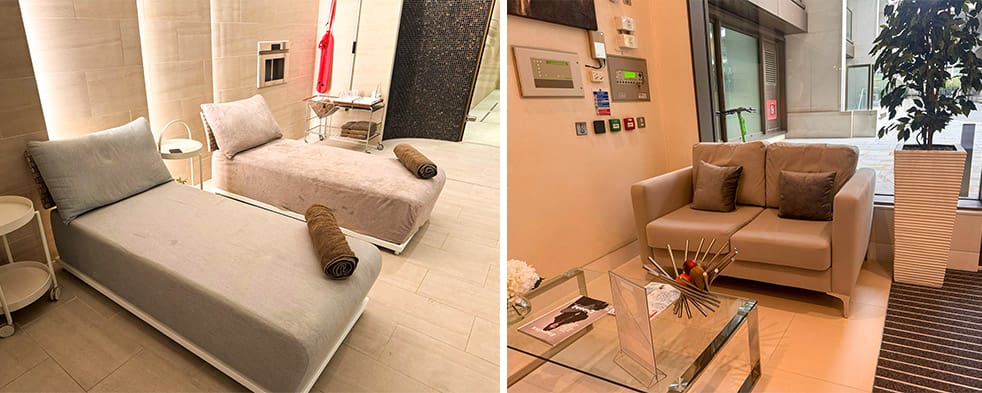
Environments such as pools and receptions require careful attention to furniture material selection.
Yorx works with hotels and luxury residential facilities to specify performance-led materials based on real-world use. Each upholstery decision must ensure furniture continues to meet both operational demands and design expectations over time. Yorx approaches material selection through a structured, considered process that includes:
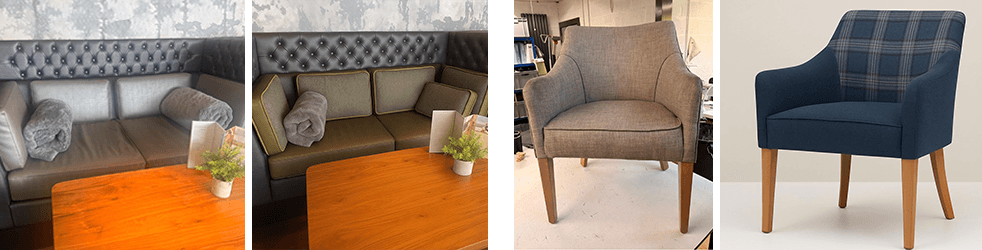
Yorx uses image generation to help clients visualise how material choices will look in situ.
By combining technical assessment with visual and tactile evaluation, Yorx ensures material choices are intentional, informed and suited to their setting, resulting in upholstery that performs reliably while preserving the refined character of premium spaces.
Material performance isn’t only about durability; it’s about sustainability and long-term value. Reupholstering with the right fabrics extends the life of existing furniture, reduces waste and lowers the total cost of ownership. For luxury hotels and residential developments, this approach protects investment in bespoke or premium pieces while supporting environmental commitments.
By focusing on how materials behave over time, rather than purely how they look on day one, facilities can make smarter decisions that align operational demands with design ambition.
Through expert material specification and professional reupholstery, Yorx helps high-end hotels and luxury residential facilities protect the details that matter most, ensuring interiors remain as impressive in use as they are at first glance.