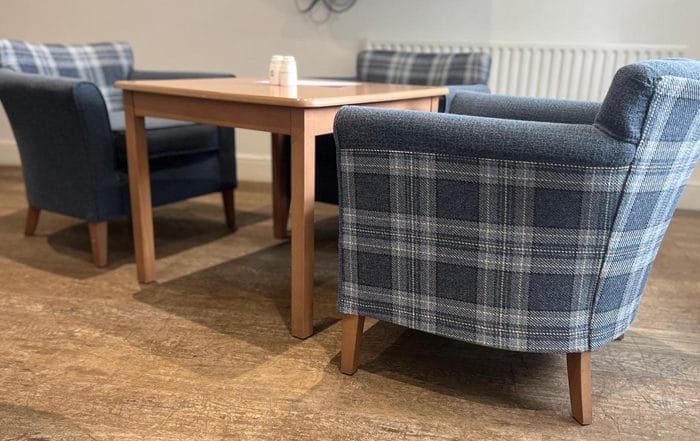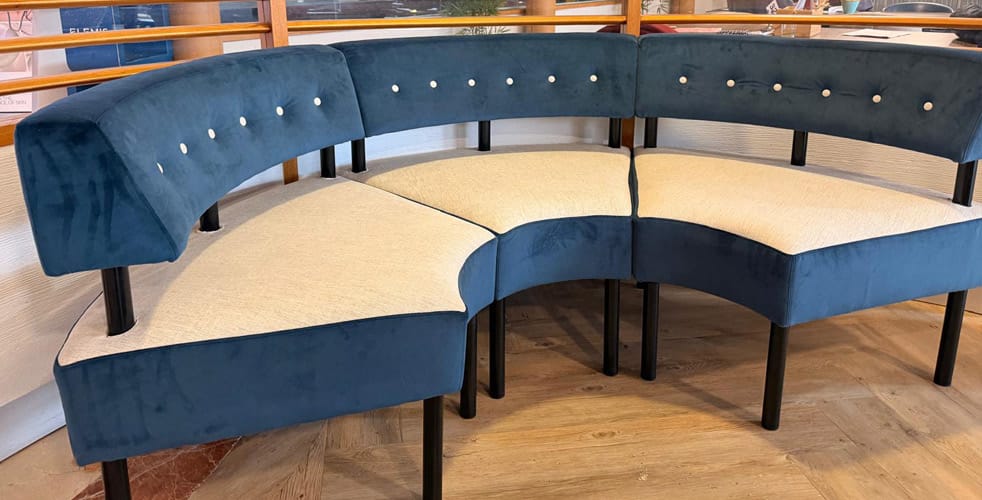


Furniture condition should be included in facilities planning because it provides useful evidence of how a space is being used, maintained and experienced. Patterns of wear can reveal pressure points, unsuitable layouts, cleaning difficulties and changing user requirements, not simply the need for repair.
Through its work across commercial, hospitality, leisure, workplace and public-sector environments, Yorx regularly sees how furniture condition reflects the wider demands placed on a building. Reviewing these assets alongside other facilities considerations can support better decisions about space planning, cleaning, accessibility, procurement and future investment.
Furniture condition can show whether a space is operating as intended. Heavily worn seating may identify an area receiving more traffic than expected, while recurring damage in the same position could indicate restricted circulation, frequent movement or repeated contact with surrounding fixtures.
The type of deterioration can also provide useful information. Premature surface wear may suggest that the upholstery is unsuitable for the level of abrasion. Permanently compressed foam could indicate that its density or resilience is not appropriate for the expected loading. Loose joints or damaged legs may point to frequent repositioning or an unsuitable layout.
Looking for these patterns across a room, building or estate helps facilities managers understand how occupants interact with the space. It also allows them to address the underlying cause of recurring problems rather than repeatedly treating isolated damage.
Furniture information can contribute to workplace reconfigurations, property acquisitions, cleaning-contract reviews, rebranding programmes and capital planning. Before a layout changes, an assessment can identify which assets remain appropriate and which could be relocated or adapted. During a rebrand, it can show where existing furniture could be updated with new upholstery, colours or detailing. When a property is acquired or handed over, it provides a clearer picture of the furniture estate and its suitability for continued use.
Furniture condition also affects the overall presentation of a building. A newly decorated reception can still feel poorly maintained if its seating is worn or mismatched. Coordinating furniture decisions with wider facilities projects helps create a more consistent result and avoids treating the furniture as an afterthought.
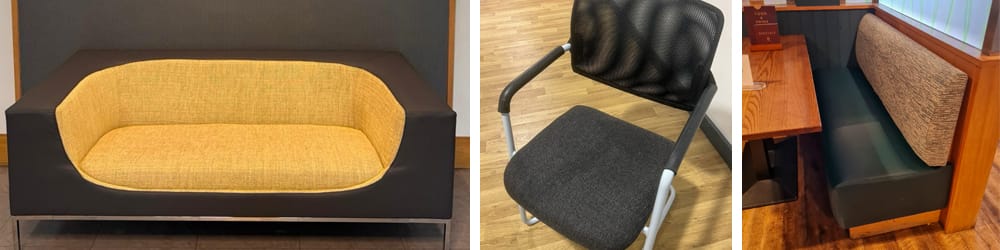
The condition of furniture affects the way people feel about the building as a whole. Yorx reupholstery solutions can help create a more positive experience.
The right decision depends on the condition of the complete item and whether it still meets the needs of the space. Structurally sound furniture may be suitable for repair, reupholstery, relocation or adaptation. Items that no longer provide the required capacity, dimensions or functionality may need to be replaced, even when their visible condition remains acceptable.
The objective is not to retain every item or automatically purchase new furniture. It is to select the most appropriate response based on condition, operational requirements and future plans.