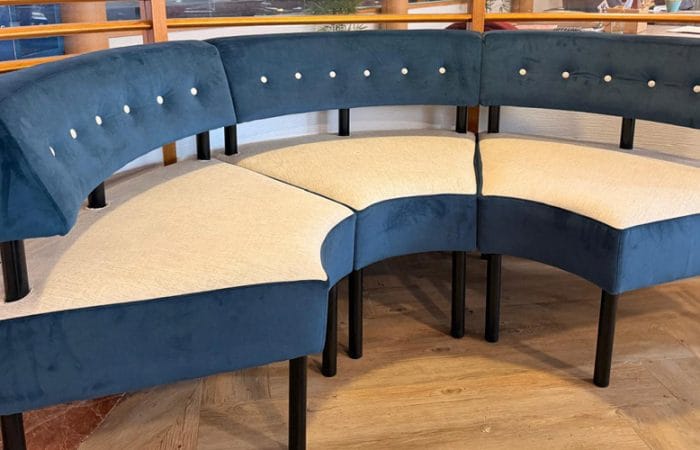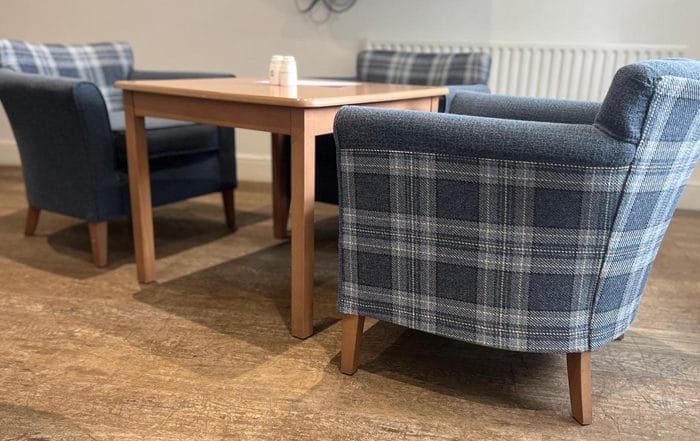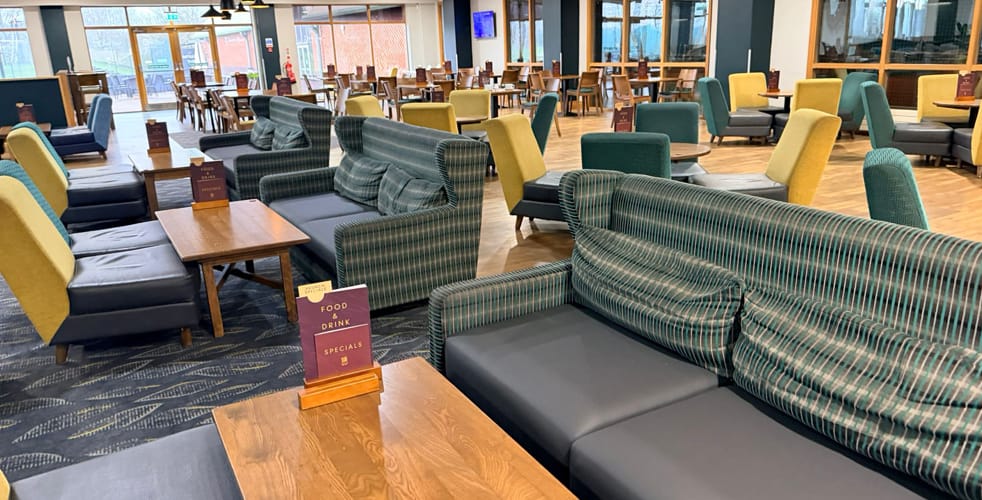


For Soft Facilities Management teams, the focus is on creating and maintaining spaces that feel clean, safe, comfortable, and well-cared-for. From reception areas and office spaces to club lounges and healthcare facilities, the condition of the furniture has a direct impact on how occupants, visitors, and staff experience a building.
Worn or outdated furniture can quickly affect how a space is perceived. Yet while areas such as cleaning, hygiene, and presentation are often managed proactively, furniture is frequently overlooked until replacement becomes unavoidable.
By incorporating reupholstery and refurbishment into a preventative maintenance strategy, Soft FMs can extend furniture lifespan, reduce unnecessary costs, and maintain high standards across occupied spaces, all while minimising disruption to day-to-day operations.
Furniture replacement is often treated as a reactive task. A chair tears, a reception bench becomes worn, or meeting room seating no longer reflects the quality of the workplace environment, and replacement becomes the default solution. In many cases, the structural integrity of commercial furniture remains perfectly sound long after fabrics and finishes begin to show wear.
For Soft FM teams working within tight budgets, planned reupholstery offers a more strategic alternative to reactive furniture replacement. Rather than replacing large volumes of furniture at once, organisations can refresh assets in phases, helping spread costs while maintaining high standards across occupied spaces.
By incorporating refurbishment into preventative maintenance planning, Soft FMs can:
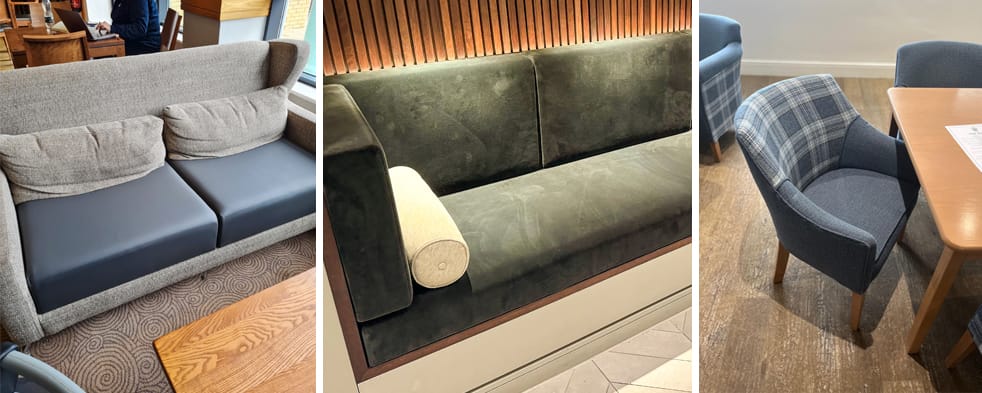
Clients such as David Lloyd (left), 101 Cleveland (centre), and Guilford Golf Club (right) choose Yorx reupholstery solutions over replacement as a cost-effective and sustainable furnishings strategy.
Working collaboratively with a refurbishment partner also allows facilities teams to proactively assess furniture condition, plan refurbishment schedules around operational needs, and maintain consistency across multiple sites.
Sustainability targets continue to shape facilities management decisions, particularly as organisations look to reduce waste and improve ESG performance.
Replacing furniture unnecessarily contributes to increased landfill waste, greater transportation emissions and additional procurement costs. Reupholstery supports a more circular approach to furniture management by extending the lifespan of existing assets.
For Soft FMs, this creates an opportunity to align operational decisions with wider sustainability goals, without compromising on aesthetics or user experience.
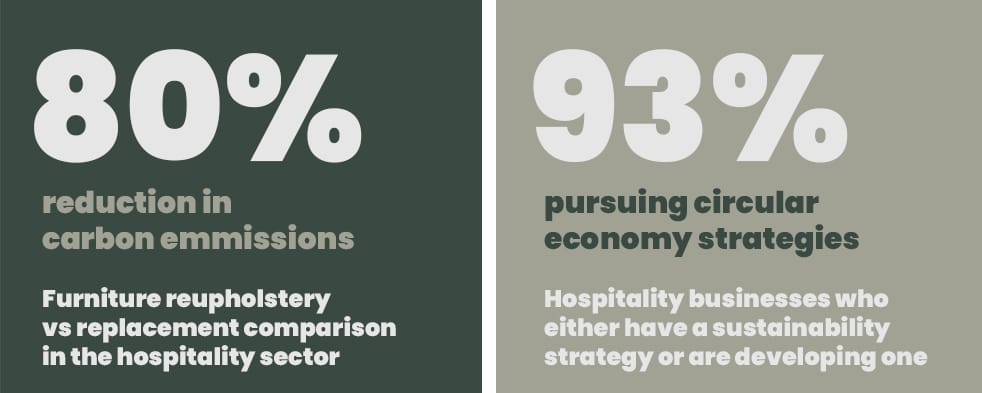
As organisations continue to prioritise efficiency and value, refurbishment is becoming an increasingly practical and strategic solution.
At Yorx, we work collaboratively with facilities teams to deliver tailored furniture refurbishment and reupholstery solutions that support operational goals, budget management, and long-term asset performance.